Best month
January
Budget
Mid-rangeRegion
Americas
Duration
3 days
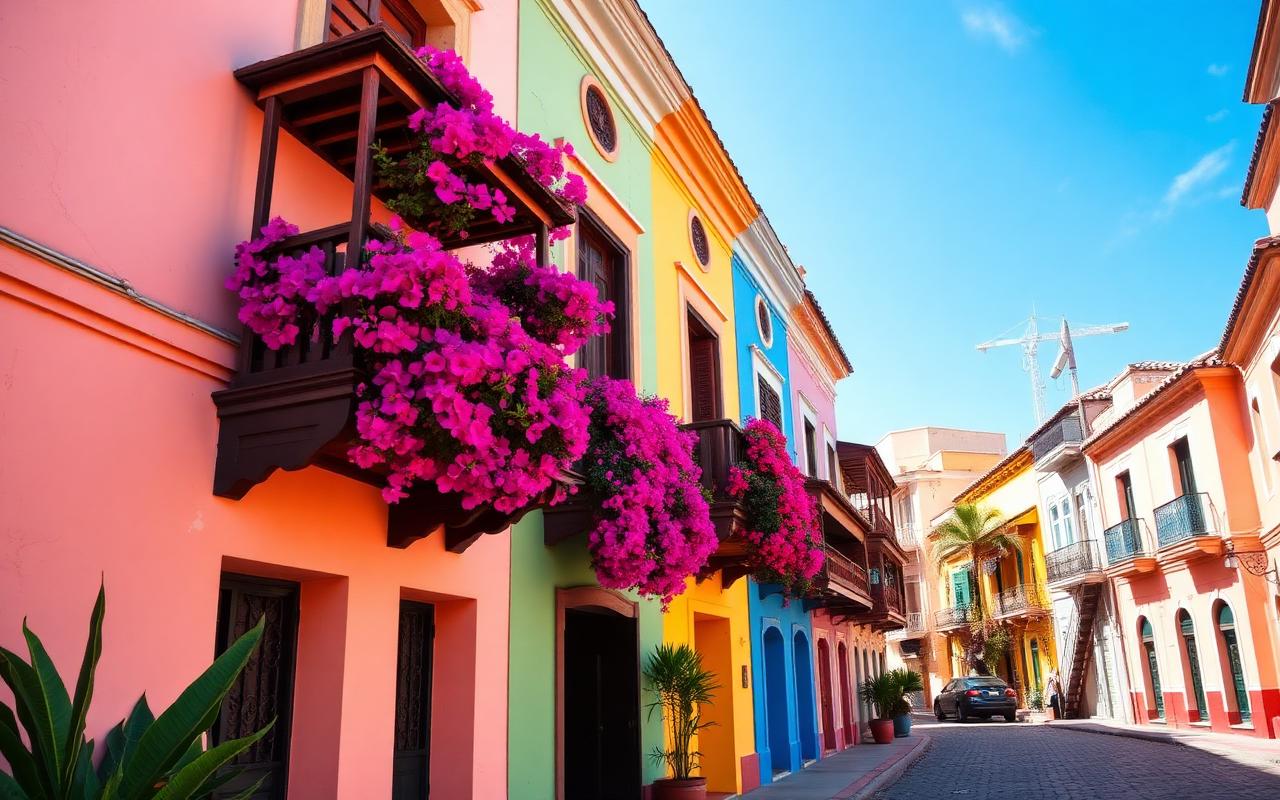
Painted colonial walls in the old city, salsa drifting out of every other bar, and ceviche eaten on the harbor. Cartagena is hot, loud, beautiful, and impossible to forget.
The destination, in context
Cartagena de Indias is the Caribbean Spanish-colonial city Garcia Marquez set Love in the Time of Cholera in — bougainvillea spilling over balconies, salsa drifting from corner bars, painted colonial walls in coral and mustard, and a 16th-century fortress wall encircling the whole old town. January is the dry-season sweet spot — sunny days at 28–30°C, low humidity, and the trade-wind breezes keeping the heat manageable. Three days does the city plus a Rosario Islands day trip; longer lets you spread out into Getsemaní's nightlife.
History & culture
Cartagena was the Spanish empire's main slaving port and treasure-fleet hub in the Caribbean for 250 years, fortified against repeated English and French raids — including Francis Drake's siege in 1586. The walls (now UNESCO-listed) and San Felipe fortress survive intact. The Palace of the Inquisition still stands. Modern Cartagena layers Spanish, African, Indigenous and Caribbean influences into one of the most distinctive cities in the Americas, and Getsemaní's vibrant murals tell that mixed history visually.
5 reasons to go here
- Walled old city, every corner is a photo
- Getsemani neighborhood for street art and nightlife
- Day trip to the Rosario Islands for snorkeling
- Arepas de huevo from a street cart, every morning
- Salsa night at Cafe Havana, sticky floor included
What to eat & drink
Caribbean Colombian food is bright, fresh and seafood-heavy. Try ceviche at La Cevicheria (Anthony Bourdain made it famous; it deserves the hype), arepa de huevo from a street cart at breakfast, sancocho de pescado (fish stew with yuca and corn), and posta negra (slow-braised beef in a sweet sugar-cane-based sauce). Coconut rice with everything. Limonada de coco — frozen coconut lemonade — is the city's signature drink.
Suggested itinerary
Day 1
Arrive, settle inside the walled city. Sunset walk along the city walls, drinks at Cafe del Mar. Dinner of fresh fish in Getsemani, then live music at Cafe Havana, dance badly, it's fine.
Day 2
Boat day to the Rosario Islands, snorkeling and ceviche on the beach. Back to the city for evening, slow walk through Getsemani for the murals lit up.
Day 3
Walk through the San Felipe fortress in the early morning before it gets too hot. Late lunch at La Cevicheria. Last sunset from one of the rooftop bars in the old city.
When to go
December to April is the dry season with the most reliable weather. May to November is wetter and more humid, with afternoon storms but very few washouts. Hurricanes don't directly hit but storms can graze. The Hay Festival in late January brings literary stars and a cultural lift. Avoid Easter week if you want quiet streets.
Practical know-how
Rafael Núñez airport (CTG) is 15 minutes from the old town. Use Uber, Cabify or DiDi — cheaper and safer than street taxis at night. Stay inside the walled city or in Getsemaní; San Diego is the gentle upgrade. Drink only bottled or filtered water. Bring USD or use ATMs in safe neighbourhoods. Spanish helps massively outside hotels.
Heat
Cartagena is hot year-round, but Dec to Mar is the dry season and the most bearable. Walk in the early morning and late afternoon, retreat for a siesta in the middle of the day. Hydrate constantly.
Hidden gems & nearby
Day boat to the Rosario Islands for snorkelling and fresh ceviche on the beach — go with a small operator like Bona Vida, not the big crowded ones. Watch a sunset from Cafe del Mar atop the city walls. Salsa dancing at Cafe Havana in Getsemaní is the local rite of passage — go badly, it's fine.
Gallery
Ready to actually go?
Find a flight or pick another route to dream about.