Best month
February
Budget
PremiumRegion
Asia
Duration
3 days
The best powder snow on Earth (probably), onsen baths in the snow, and crab so fresh it's almost cruel. Hokkaido in February is a winter dream wrapped in steam.
The destination, in context
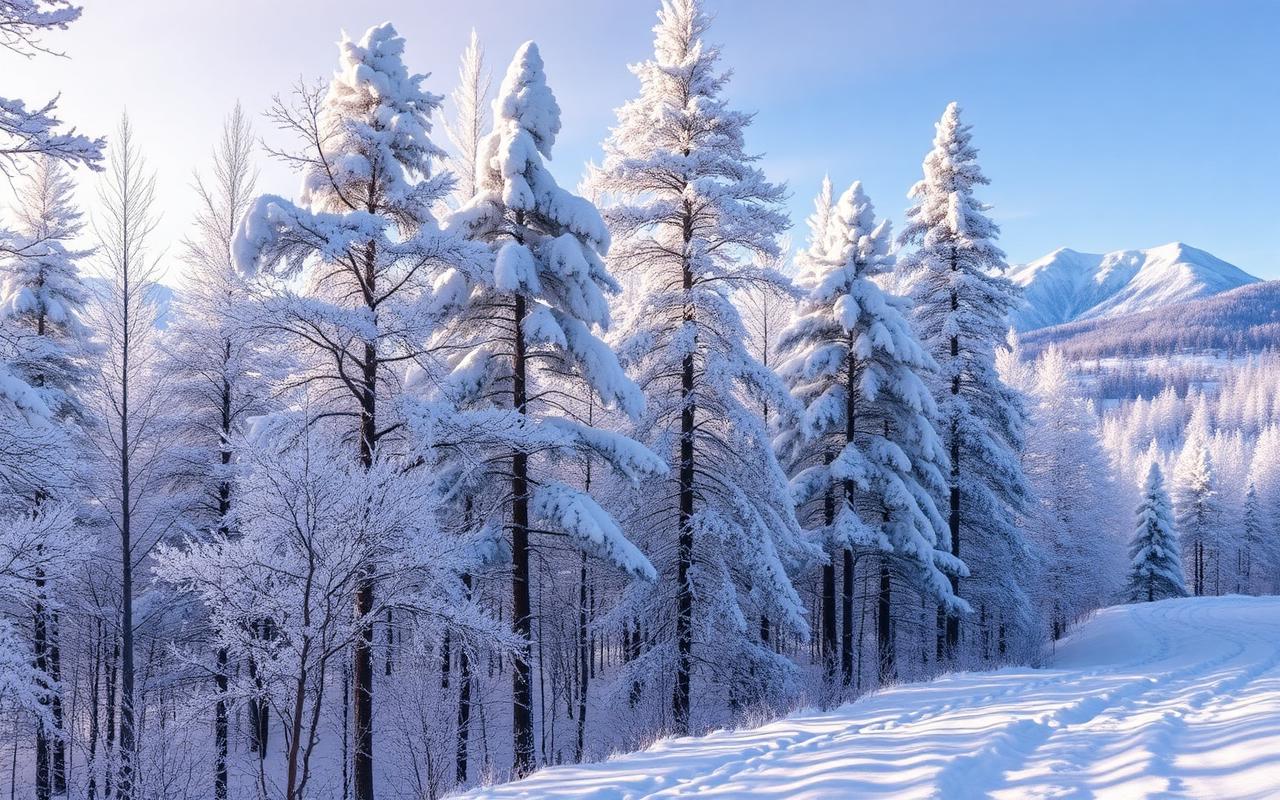
Hokkaido in February is winter's masterpiece — the powder snow at Niseko is famously the lightest and driest on Earth (the locals call it 'Japow'), the onsen ryokans run their outdoor baths through the snowfall, and the Sapporo Snow Festival in early February turns the city into an open-air gallery of giant ice sculptures. Three days is a snapshot — a week starts to do justice. Daylight is limited (sunrise around 6:40, sunset 4:50), which only makes the long onsen evenings more luxurious.
History & culture
Hokkaido is Japan's frontier — colonised in earnest only in the late 19th century. The indigenous Ainu people have inhabited the island for thousands of years; the National Ainu Museum (Upopoy) near Lake Toya, opened in 2020, is the proper introduction to their language and traditions. The capital Sapporo was laid out by American advisors in a US-style grid — unusual for Japan. Modern Hokkaido pride centres on dairy, beer (Sapporo, Asahi) and the obsessive winter sports culture.
5 reasons to go here
- Niseko powder, knee-deep on a slow day
- Outdoor onsen, snow on your head, hot water everywhere else
- Sapporo Snow Festival in early February
- Ramen in Otaru that warms you for hours
- Snow Monkey side trip to Jigokudani (technically Nagano but close)
What to eat & drink
Hokkaido is Japan's seafood and dairy capital. Eat uni (sea urchin), ikura (salmon roe) and king crab at any seafood market — Otaru's Sankaku Ichiba is the go-to. Sapporo miso ramen is darker, richer and more buttery than Tokyo's; try the original at Sumire. Genghis Khan (jingisukan) — grilled lamb on a domed iron grill — is the Sapporo speciality. Hokkaido melons and ice cream are legitimately the best in Japan.
Suggested itinerary
Day 1
Fly into New Chitose, train to Niseko. Settle into a lodge, dinner of yakiniku. Onsen before bed, set the alarm for first lifts.
Day 2
Ski Niseko United. Lunch in a mountain restaurant, soba noodles for the win. Afternoon: relaxed runs, then back to the onsen. Dinner of hot pot.
Day 3
Bus to Otaru on the coast, walk the canal, eat the seafood. Train to Sapporo for a final night of ramen, beer at the Sapporo brewery, fly out next day.
When to go
January and February are the snow peak — lightest powder, lowest temperatures, highest ski-resort prices. March still has skiable snow but with longer daylight. The Sapporo Snow Festival runs early February; book accommodation months ahead for those dates. Summer (June to August) is a completely different Hokkaido — wildflowers, lavender fields in Furano, hiking — and a genuine alternative if winter sports aren't your thing.
Practical know-how
Fly into New Chitose (CTS) from Tokyo, Seoul or further. JR trains and rental cars both work for getting to Niseko and around; the Hokkaido Expressway is well maintained even in heavy snow. JR Hokkaido Rail Pass is cost-effective if hopping cities. Rentals at Niseko (skis, boards, waterproofs) are excellent — no need to bring your own. Cash still useful in smaller ramen shops and onsens.
Rental gear
You don't need to bring your own skis, rentals in Niseko are excellent and not expensive. Do bring a proper waterproof shell - Japanese powder is dry, but it's also constant. You'll be soaked otherwise.
Hidden gems & nearby
Take the JR train to Otaru for the snowy canal walk and seafood markets without ski resort prices. Visit Noboribetsu's hellish hot-spring valley — sulfurous geothermal vents inside a national park, an hour from Sapporo, and the onsen ryokans there are the original deal.
Gallery
Ready to actually go?
Find a flight or pick another route to dream about.