Best month
September
Budget
Mid-rangeRegion
Europe
Duration
3 days
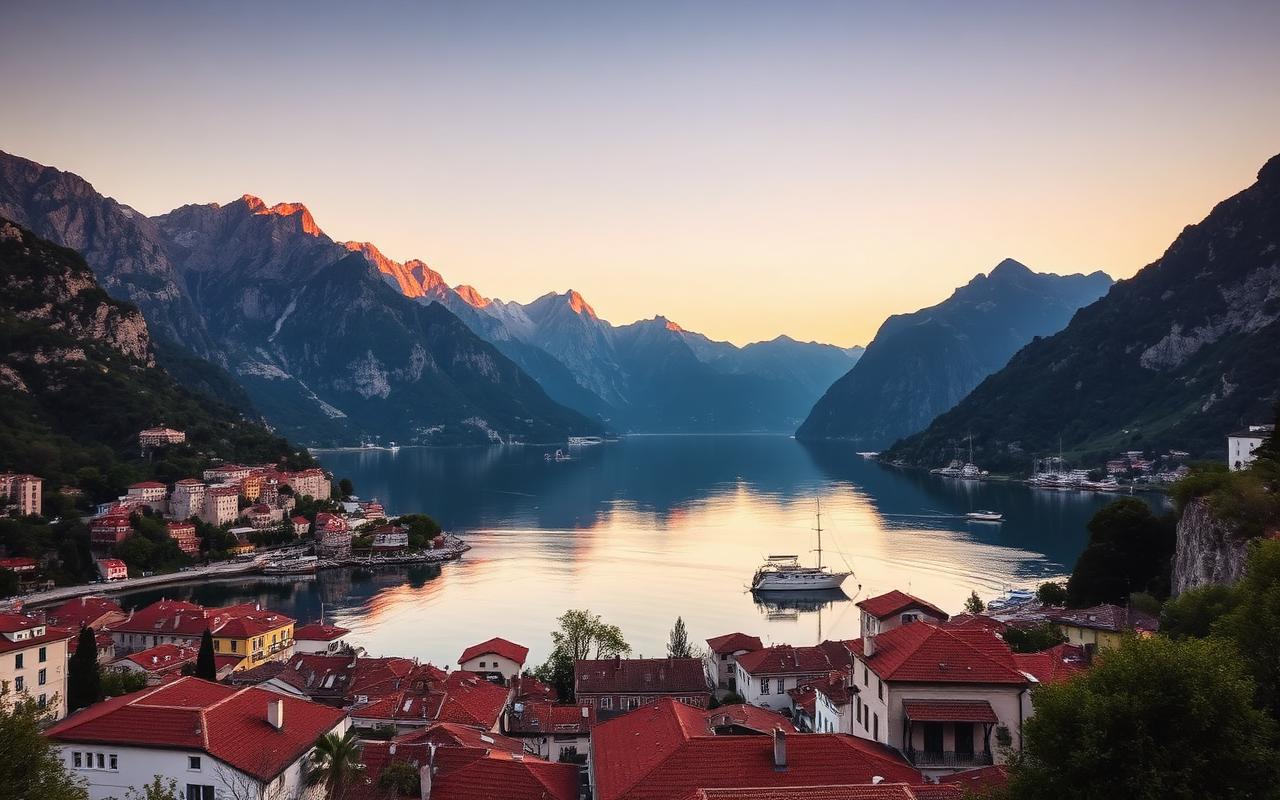
A fjord in the Mediterranean, medieval walled towns at the water's edge, and roads carved into cliff faces. September is when the cruise ships thin out and the bay feels yours.
The destination, in context
The Bay of Kotor is often called Europe's southernmost fjord, though technically it's a submerged river canyon. Whatever you call it, the effect is jaw-dropping: limestone walls a thousand metres high plunging straight into a glassy bay, with stone-walled medieval villages clinging to the waterline. September is the perfect time — the cruise ship season is tapering, sea temperatures are still warm enough to swim, and the daytime crush in Kotor's old town has eased back to manageable. The bay rewards anyone willing to drive its serpentine roads or skip across by boat.
History & culture
Kotor has been Roman, Byzantine, Venetian, Austrian and Yugoslav over its 2,000-year history, with Venetian influence the most visible — the Lion of St Mark stares from every gate. The old town is UNESCO-listed and was rebuilt after the catastrophic 1979 earthquake. Across the bay, Perast is the smaller, prettier sister with two artificial islands offshore, including Our Lady of the Rocks, said to have been built up over centuries by sailors throwing a stone into the water as a votive offering.
5 reasons to go here
- Climb the city walls of Kotor for the bay view
- Drive up the Lovcen serpentine road (25 hairpin turns)
- Boat to Our Lady of the Rocks island
- Perast, the prettiest village you've never heard of
- Black risotto, made with squid ink, at any waterside place
What to eat & drink
Montenegrin food leans Mediterranean with strong Balkan accents. Eat black risotto (made with squid ink) and grilled fish at Konoba Catovica Mlini in Morinj — converted from an old mill, with trout in pools beside the tables. Try njeguški pršut, the smoked ham from a village above Kotor that rivals Italian prosciutto, and a glass of Vranac, Montenegro's signature red. Cheese from Durmitor in the mountainous north turns up on most cheese boards.
Suggested itinerary
Day 1
Settle into a stone-walled apartment in old Kotor. Late afternoon climb to the fortress, 1350 steps, take water. Dinner in the old town square, watching swallows dive overhead.
Day 2
Boat from Kotor to Perast, then over to the island church. Lunch in Perast, slowly. Drive the Lovcen road back, stop at the viewpoint, your camera will thank you.
Day 3
Day on the water, rent a small boat or join a bay tour. Swim in the bluest coves. Last dinner of grilled fish caught that morning, then walk the walls of Kotor at night, lit up.
When to go
May, June, September and early October are ideal — warm enough to swim, but not the July–August furnace and crowds. October brings olive harvest and the first cool evenings. Winter is mild but rainy, and many small restaurants close. The bay is one of Europe's rainiest places, with autumn often the wettest — pack a waterproof.
Practical know-how
Montenegro uses the euro despite not being in the EU. Bring an EU travel adapter. Cards work in most restaurants; cash needed for small bakeries. Roads are dramatic and narrow — drive slowly, use the horn at blind corners, and don't try to park inside Kotor's walls (there isn't space). Tivat airport is closest; Dubrovnik is 90 minutes by car with a border crossing.
Driving
The roads around Kotor bay are narrow and full of buses and confidence. Drive slow, use the horns at blind corners, and don't even try to find parking inside the old town walls. There isn't any.
Hidden gems & nearby
Take a small boat tour from Kotor to the Blue Cave near Lustica peninsula for a swim in luminous water. Drive the 25 hairpin turns up to Mount Lovćen for the Njegoš mausoleum and a view that takes in the whole bay — and on a clear day, Albania.
Gallery
Ready to actually go?
Find a flight or pick another route to dream about.