Best month
November
Budget
Mid-rangeRegion
Americas
Duration
3 days
Seven kinds of mole, mezcal tasted from the barrel, and tlayudas the size of a hubcap. Oaxaca is where Mexican food stops being a cuisine and becomes a religion.
The destination, in context
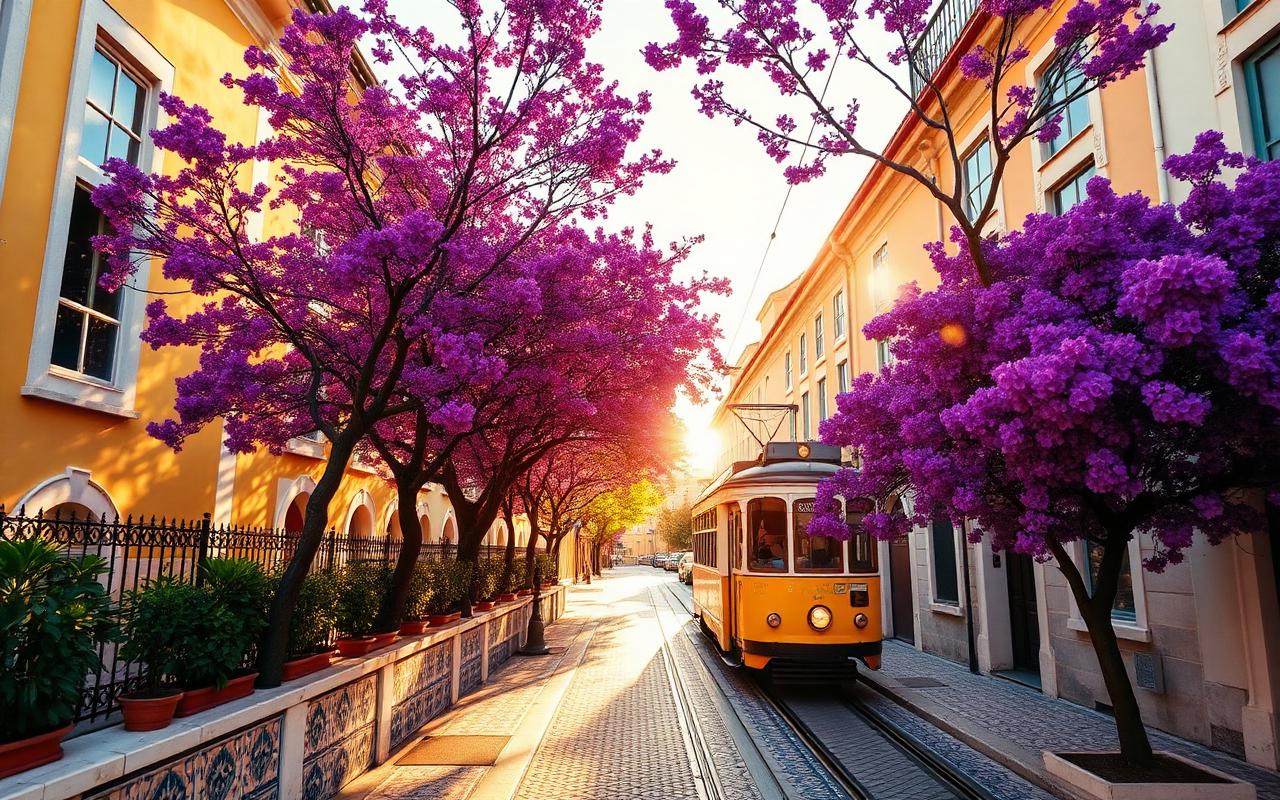
Oaxaca in November is when the city is at its most alive — Day of the Dead has just passed, the air is dry and cool, the jacarandas in the central zócalo are still in late bloom, and every restaurant is showcasing the year's mole. This is one of the most distinctive food cities on the continent: seven moles of varying complexity, mezcal distilled by hand in mountain villages, tlayudas the size of bicycle wheels, and a market culture that hasn't been sanitised for tourists. Eat your way through three days and you'll still leave with a list.
History & culture
Oaxaca state has the highest indigenous population in Mexico — Zapotec and Mixtec cultures predating Aztec rule by a thousand years. The ruins of Monte Albán, an hour from the city, were a major city by 500 BC. Day of the Dead (31 October – 2 November) is observed here with extraordinary depth — cemeteries lit by candles all night, families bringing the favourite food of the departed. If you can time November right, the days just after are quietly magical with marigold petals still lining doorways.
5 reasons to go here
- Mole tasting, all seven, in one sitting if you dare
- Mezcal distilleries up in the hills
- Mercado 20 de Noviembre, grilled meat alley
- Day of the Dead celebrations if you time it
- Hierve el Agua mineral pools
What to eat & drink
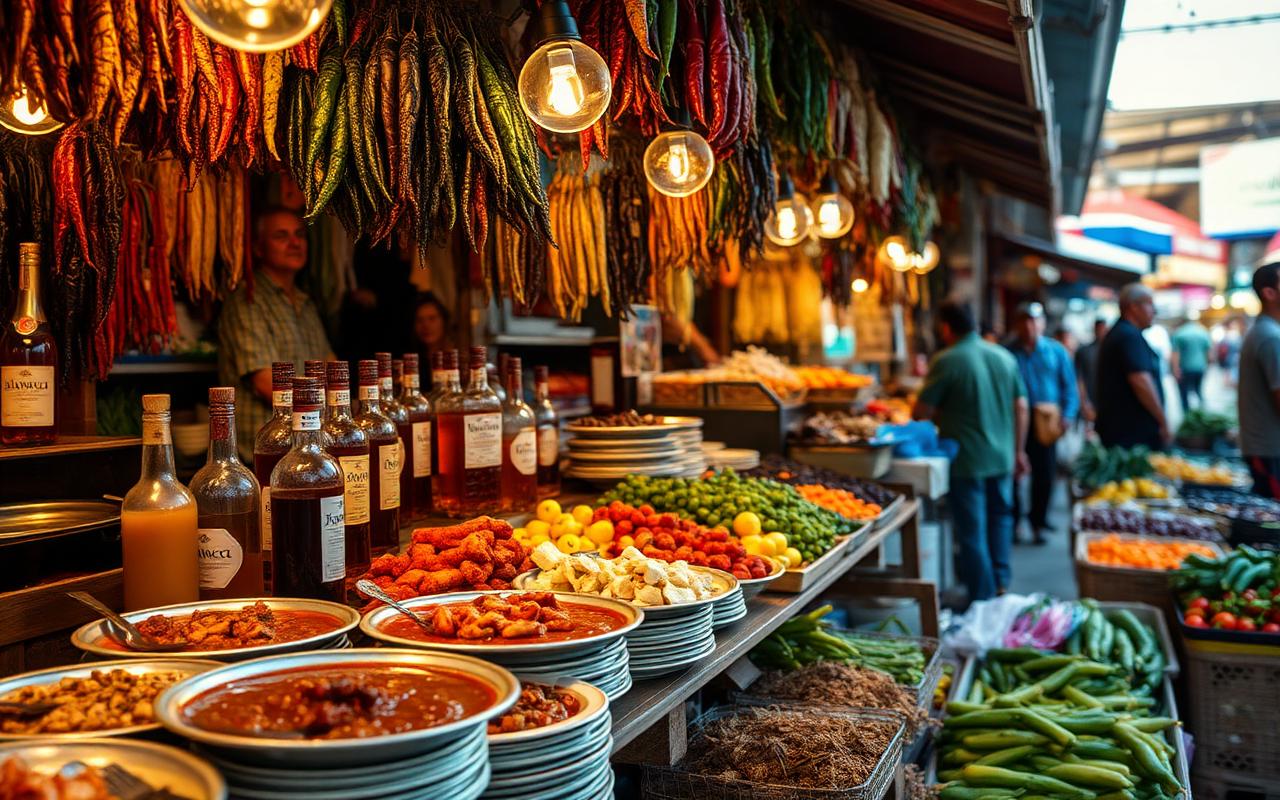
Oaxaca's seven moles — negro, rojo, coloradito, amarillo, verde, chichilo and manchamanteles — are an entire cuisine on their own. Take a cooking class at La Cocina Oaxaqueña or Casa Crespo to understand the layering. Eat tlayudas grilled over charcoal at Mercado 20 de Noviembre's smoky meat hall (pasillo de humo). Drink mezcal at In Situ for the most thoughtful flight in the city. Snack on chapulines (grasshoppers), tejate (the pre-Hispanic frothy maize drink) and esquites from street carts.
Suggested itinerary
Day 1
Arrive, walk the colonial center, Santo Domingo church at golden hour. Tlayudas at a market stall for dinner, mezcal flight at a small bar after. Pace yourself with the mezcal.
Day 2
Cooking class in the morning, this is the move. You learn three moles and eat the results for lunch. Afternoon in Jalatlaco neighborhood, murals and cafes. Light dinner, you'll still be full.
Day 3
Day trip: Hierve el Agua and a mezcal distillery in Santiago Matatlan. Lunch with the mezcalero, watch them roast the agave hearts in the ground. Back to Oaxaca for one last meal.
When to go
October to April is the dry season and the most pleasant. Day of the Dead and the Guelaguetza folk festival (late July) are the two extraordinary events worth planning around. Rain season (June to September) brings short, intense afternoon storms but lush hillsides — and lower prices. Mornings at 1,550m altitude can be cool (10°C) even when afternoons hit 26°C.
Practical know-how
Oaxaca's airport is small but well connected to Mexico City. The city is best on foot; taxis and Didi cover anything further. Bring cash — small mezcalerías and market stalls won't take cards. Altitude is moderate but real — pace yourself with mezcal day one. Tipping at 10–15% is standard in sit-down restaurants. Spanish is essential outside the touristy core; Zapotec is still spoken in the surrounding villages.
Altitude
Oaxaca sits at about 1500 meters, you might feel it a bit on day one. Drink water, go easy on the mezcal the first night. By day two you won't notice it.
Hidden gems & nearby
Take a colectivo van out to Teotitlán del Valle for natural-dye rug weaving demos and a quieter Sunday market. Visit a mezcal palenque in Santiago Matatlán to see agave hearts roasting underground for days — buy direct, it costs a third of what you'd pay in the city.
Gallery
Ready to actually go?
Find a flight or pick another route to dream about.