Best month
May
Budget
BudgetRegion
Asia
Duration
2 days
Old wooden balconies leaning into the street, sulfur baths in the basement of a 17th century building, and supras where strangers pour you wine until you're family. Tbilisi is wierd in the best way.
The destination, in context
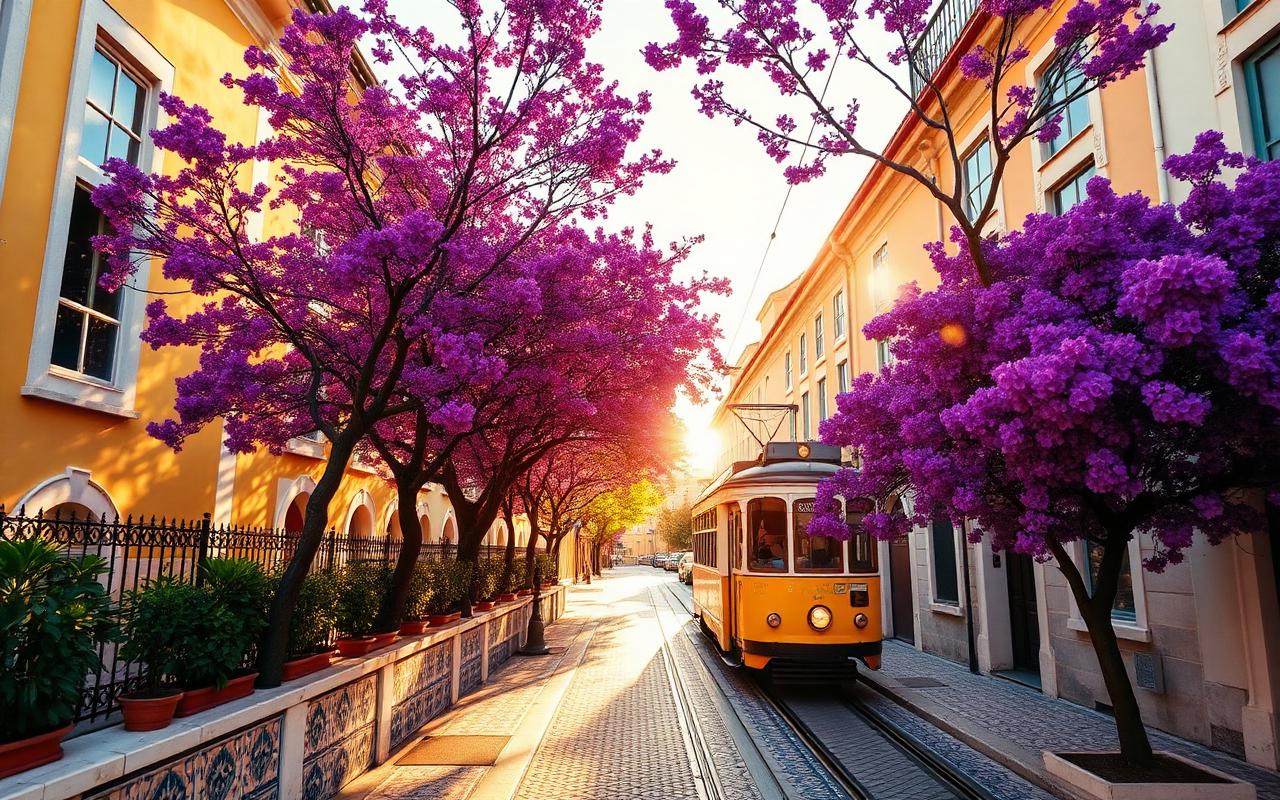
Tbilisi in 48 hours sounds optimistic, but Georgia's capital is unusually generous to short visits — the old town is small enough to walk end to end in twenty minutes, the food is extraordinary, and the city's odd, layered architecture means you can stumble through a Persian bathhouse, a Soviet-era courtyard and an avant-garde wine bar in the same hour. May is the city at its kindest: balconies wreathed in wisteria, the Mtkvari river running full, evenings warm enough for the supra (feast) tables to spread out into the courtyards.
History & culture
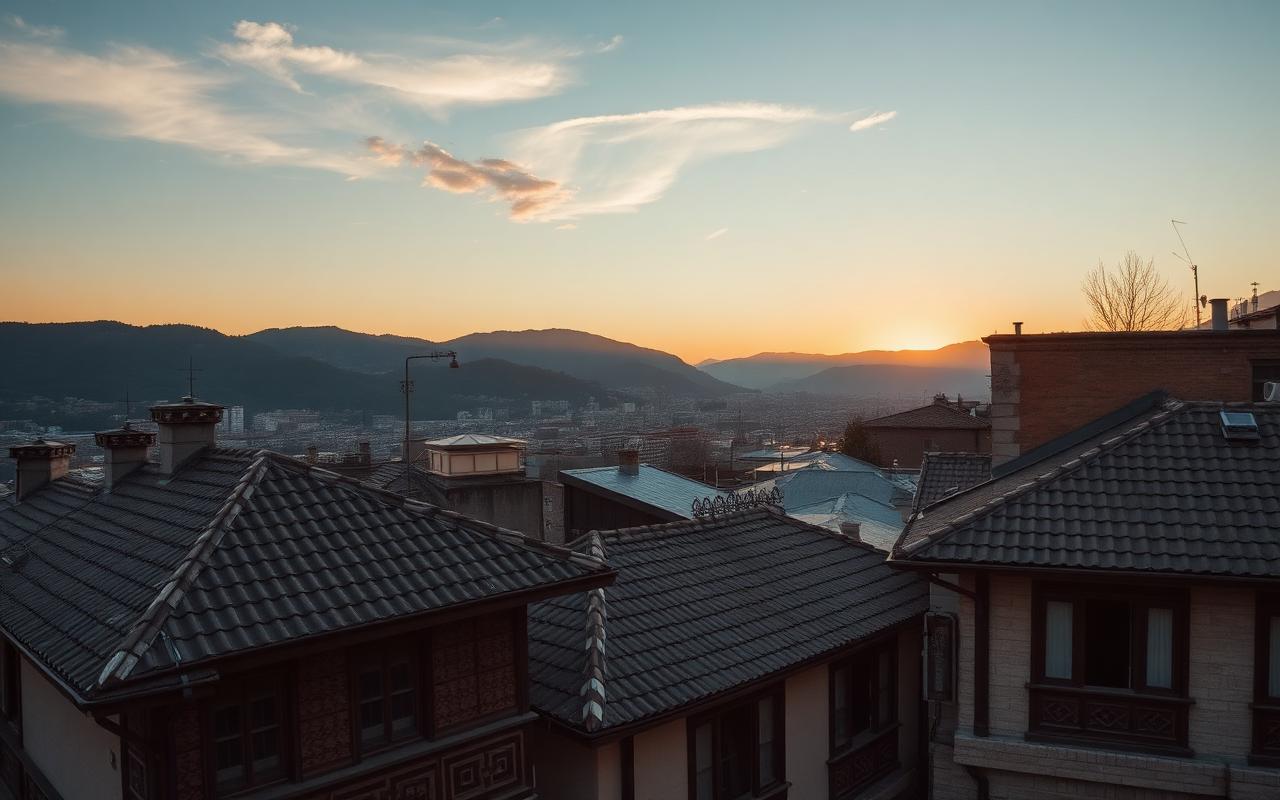
Georgia is one of the world's oldest continuously inhabited regions and has its own alphabet, language family and Christian tradition — they adopted Christianity in 337 AD, before most of Europe. Tbilisi sits on a crossroads that's been fought over by Persians, Mongols, Ottomans and Russians, and the architecture shows it: brick caravanserais, Art Nouveau apartment blocks, Soviet brutalism and 21st-century glass bridges all in one skyline. The wooden carved balconies on Betlemi Street are the city's most photographed feature for good reason.
5 reasons to go here
- Khinkali and khachapuri that change your life
- Sulfur bath houses in Abanotubani
- Old town that feels like a film set
- Wine bars pouring qvevri amber wine
- Cheap, cheerful, totally unique
What to eat & drink
Georgian food is the genuine revelation of any first visit. Order khinkali (twisted soup dumplings), khachapuri adjaruli (boat-shaped bread with cheese and a runny egg), badrijani nigvzit (walnut-stuffed aubergine), and lobio (slow-cooked beans). Pair with qvevri-fermented amber wines — Georgia is generally credited with the oldest winemaking tradition on Earth, 8,000 years and counting. Eat at Shavi Lomi for refined home cooking and at Salobie Bia for the quintessential, no-frills bean stew lunch.
Suggested itinerary
Day 1
Wander the old town, take the cable car up to Narikala fortress at sunset. Dinner of khinkali, eat them with your hands, that's the rule. Pop into a wine bar afterward for amber wine.
Day 2
Sulfur bath in the morning, private room, just do it. Then breakfast khachapuri adjaruli, the boat-shaped one with egg. Walk through the Dry Bridge flea market, you'll find weird Soviet things.
When to go
May and September are ideal: 18–25°C, low rainfall, and the wisteria or grape harvest depending which end of summer you choose. July and August are hot (32°C+) and humid; January can be grey and rainy. Spring brings the city's Tbilisoba feel — outdoor concerts, longer terraces, full markets. Skip the Easter week if you want quiet sights; everywhere shuts and locals decamp to family villages.
Practical know-how
Most Western passports get up to a year visa-free — almost unheard of. The lari is stable and ATMs are everywhere; cash is needed only in markets and the very smallest places. Bolt is the local ride app and it's hilariously cheap, but walking is faster in the old town. Public marshrutkas (minibuses) reach every village in Georgia for a few lari. Tipping isn't standard but rounding up is appreciated.
Visa & money
Most passports get visa-free entry for up to a year, which is unusual and generous. Cash is king in small places, but cards work in most restaurants. The lari is stable, no need to overthink.
Hidden gems & nearby
Catch the cable car from Rike Park to Narikala fortress, then walk down the back side into Abanotubani for the sulfur baths — book a private room at Chreli Abano (the blue-tiled one) for the full ritual. Spend a morning at Dezerter Bazaar to see how locals actually shop, with cheesemongers slicing sulguni straight from the wheel.
Gallery
Ready to actually go?
Find a flight or pick another route to dream about.