Best month
October
Budget
Mid-rangeRegion
Europe
Duration
2 days
A walled capital built by knights, golden limestone in the late afternoon, and pastizzi for breakfast (it's a flaky cheese pastry, you'll get it). Valletta is small, dramatic, and easy to love.
The destination, in context
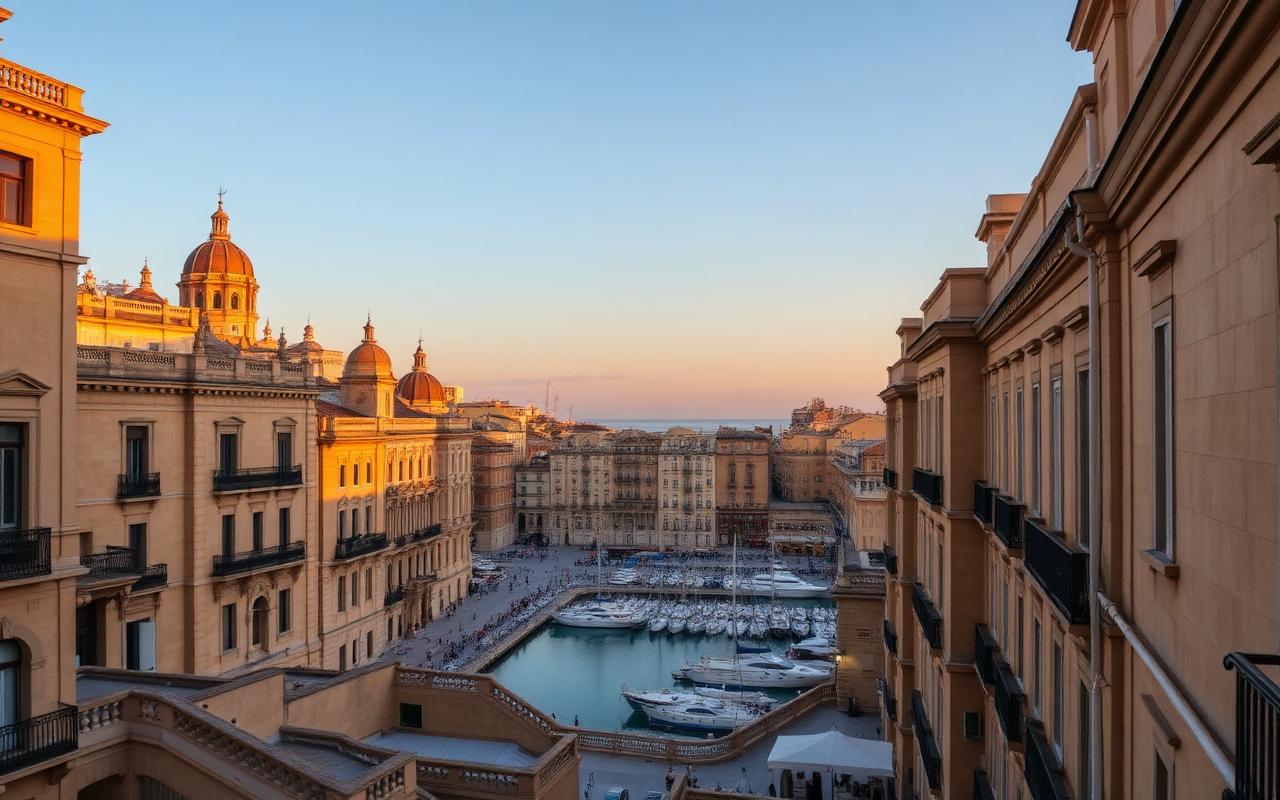
Valletta is the smallest capital in the European Union — 0.8 square kilometres of golden limestone, baroque churches and steep stepped streets, perched on a peninsula above the Grand Harbour. October is the perfect month — sea still warm enough to swim (22°C), air mild (24°C), the summer crush gone, and the famous Mediterranean light turning the limestone amber from 4pm onward. Two days does Valletta plus a day trip; three lets you add Comino's Blue Lagoon or the silent city of Mdina.
History & culture
The Knights of St John founded Valletta in 1566 after the Great Siege, naming it for Grand Master Jean Parisot de Valette. The entire walled city is UNESCO-listed and was designed grid-style with strict urban planning by Francesco Laparelli, a pupil of Michelangelo. St John's Co-Cathedral is the must-see — austere outside, baroque overload inside, with two Caravaggios. Malta's history layers Phoenician, Roman, Arab, Norman, Knight, French and British rule, with the British era only ending in 1964.
5 reasons to go here
- St John's Co-Cathedral and the Caravaggios
- Upper Barrakka gardens at midday gunfire (real cannon)
- Day trip to Mdina, the silent city
- Boat to the Blue Lagoon on Comino
- Rabbit stew, the national dish, take a chance on it
What to eat & drink
Maltese cuisine sits between Sicily, North Africa and the Middle East. Try rabbit stew (fenkata), Maltese pizza (ftira), bragioli (beef olives stuffed with garlic and herbs), and pastizzi (flaky pastries filled with ricotta or mushy peas) for breakfast. The seafood is excellent — book ahead at the harbour-side Caviar & Bull. Wash everything down with Cisk, the local lager, or a glass of Ġellewża, the indigenous red.
Suggested itinerary
Day 1
Walk Valletta end to end, it takes about 20 minutes. Co-Cathedral in the morning, lunch on a side street, Upper Barrakka gardens for the noon gun and the view over the Grand Harbour. Sunset across the water in Sliema.
Day 2
Boat to Comino's Blue Lagoon in the morning if the season allows. Otherwise drive (or bus) to Mdina, the silent city of stone. Sunset back in Valletta, dinner of rabbit stew at a place locals go to.
When to go
April to June and September to October are perfect — mild and dry. July and August are punishingly hot (35°C) and packed with cruise crowds. November brings some rain but stays mild. Winter is quiet and mild (15°C) — a real shoulder-season bargain if you don't need beach weather.
Practical know-how
Buses cover the whole island for €2.50 a day (Tallinja card). Renting a car only makes sense for southern temples and the western cliffs. Walking covers Valletta easily, but the slopes are steep. Cards everywhere; euro currency. The Blue Lagoon ferry from Cirkewwa runs frequently in season; go early to beat day-trippers from Sicily.
Getting around
Buses are cheap and reach everywhere, but slow. For two days renting a car only makes sense if you want to explore the south coast and Hagar Qim temples. For Valletta and Mdina, just bus and walk.
Hidden gems & nearby
Skip the day-tripper-packed Blue Lagoon for the smaller, quieter Crystal Lagoon on the same Comino island — a short walk from the main beach. Mdina, the silent walled city in the centre of Malta, is best at dusk after the day tours leave — atmospheric beyond reason.
Gallery
Ready to actually go?
Find a flight or pick another route to dream about.